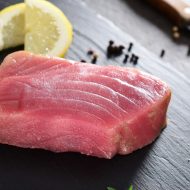
Why Buy Frozen Pollock?
Frozen Pollock works because it turns a naturally delicate whitefish into something you can buy with confidence and use with consistency. Instead of gambling on “fresh” that’s spent days moving through the supply chain, freezing locks Pollock at a known point in its lifecycle — so what you receive is predictable in flavour, texture, and performance.
From a quality-control point of view, frozen gives you control. You can order the cut and size you actually need, keep it on hand, and use it when the plan says “Pollock” — not when the fishmonger happens to have it. That means fewer last-minute swaps, fewer half-used fillets, and less waste from overbuying.
We also keep our own handling claim tight and practical: Pollock is processed and frozen within hours, and our site statement is that fillets are filleted, packed, and frozen within 3 hours of being caught. That’s the difference between guessing at age and buying a product built around time and temperature control.
Freezing slows spoilage. Cold chain protects quality. Consistent weights reduce guesswork. Portion control cuts waste. Stock on hand improves planning.
If you’ve ever had “fresh” Pollock that cooked up watery or uneven, you’ve seen what time and handling can do. Frozen Pollock reduces that variability by keeping the product stable from processing through storage — especially when packed in formats like IQF fillets, layer packs, or block portions designed for repeatable results.
Choose Your Cut: Frozen Pollock
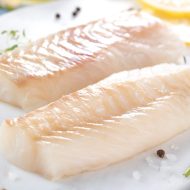
Fillets
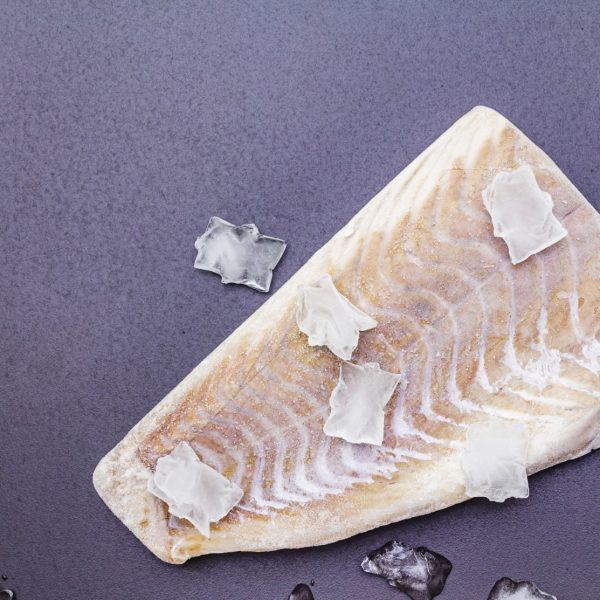
Pollock fillets are the all-rounder: clean, mild, and easy to cook in a standard home setup. If you want a quick midweek fish that behaves well in the oven or a frying pan, fillets are the safest bet. They suit simple breaded or battered plans, tray-bake dinners, and gentle pan-cooking where you want a neat flake without a lot of prep. Look out for skinless vs skin-on options if listed, and check whether the pack is IQF (individually quick frozen) for easy portioning, or a block-frozen format where you’ll cook more at once.
Portions
Portions are about speed and predictability. Because they’re cut to consistent weights, you get reliable portion control — useful for families, calorie-counting plans, or anyone who wants “one piece per person” without trimming. Portions also help with timing: the thickness is usually consistent, which makes cooking more repeatable whether you’re pan-finishing, baking, or building a fish-finger style dinner with a crisp coating. If you’re doing meal planning, portions reduce waste because you only use what you need.
Steaks
Pollock steaks are for people who want a piece that holds together. The cross-cut shape gives more structure, so it tolerates higher heat and handling better than a thin fillet — handy for grilling, pan-searing, or recipes where you’ll turn the fish or sauce it aggressively. Expect a firmer bite and a more robust feel in the pan. If you like a “proper piece of fish” that won’t fall apart, steaks are the move.
Whole side or large fillet
A whole side (or large fillet) is the entertaining and batch-prep option. It’s ideal when you want to roast one impressive piece, slice it into your own servings, or use it for larger formats like smoking. You control the portion size, thickness, and presentation. This is also the best choice when you’re feeding a table and want consistent results across multiple plates.
Whole gutted fish and speciality lines
Whole gutted Pollock is for hands-on cooks: you can break it down into loins, slice into cutlets, or roast it as a whole fish and pick the flakes straight from the bone. If speciality Pollock items are stocked — smoked, cured, or sashimi-style cuts — treat them as “ready for specific uses” products and follow the intended application for best results.
Pick the cut that matches your pan, your timing, and your appetite.
What Arrives at Your Door
Frozen fish only stays “worth it” if the cold chain stays unbroken, so we treat delivery as part of the product. Dispatched by DPD overnight courier. Your Pollock is packed for temperature control, not presentation: Packed with dry ice in a polystyrene insulated box, which matters because dry ice sublimates slowly and the insulation reduces heat gain, helping keep your fish frozen during transit rather than drifting into that risky half-thawed zone.
We don’t play guessing games with cut-off times in the content, because they can change by day and by service area. The accurate rule is simple: orders placed before the stated cut-off are picked, packed, and prepared for next working day delivery on eligible days, and the checkout calendar controls which delivery dates are actually available to you. That means you’ll only be offered dates we can support for your postcode and the current dispatch schedule.
When your box arrives, open it promptly and treat it like you’ve just taken delivery of a freezer drawer. Check your items, then move the fish straight into the freezer to keep everything rock-solid. If you’re using any packs immediately, follow the on-pack storage guidance for that specific cut and format (fillets, portions, steaks, whole sides, or whole fish) and keep anything you’re not cooking fully frozen.
Dry ice is normal in cold-chain transport, but it deserves basic respect. Avoid direct skin contact, keep the area ventilated if you’re unpacking indoors, and don’t seal dry ice in an airtight container. Keep it away from children and pets, let any remaining pieces evaporate naturally in a well-ventilated space, and you’re done.
The goal is straightforward: your Pollock should arrive hard-frozen, cleanly packed, and ready to store or use—without you having to worry about the journey it took to get to your door.
Label-First Transparency
Buying frozen Pollock online should feel as certain as picking it up from a counter: you should know exactly what you’re getting before it hits your basket. That’s why each item is presented with practical, decision-making details first — the fields that actually change how it cooks, portions, and performs on the plate.
On every Pollock listing, you’ll see the cut and the weight or pack size clearly shown, so you can buy to your plan, not your guess. Where it matters, we also show whether the fish is skin-on or skinless, and whether it’s boneless or pin-boned. Those aren’t “nice-to-know” extras — they’re the difference between crisp skin and clean flakes, between quick prep and extra trimming, between a midweek pan job and a slower roast.
You’ll also see whether the product is wild or farmed where applicable. Pollock is typically a wild-caught species, but we don’t make blanket category promises; when origin, catch area, or specific sourcing details vary by item, they’re shown on the product details for that product. That keeps the information accurate at the point you make the decision, rather than being watered down into vague category-wide claims.
Allergens are handled with the same clarity. Fish is clearly flagged as an allergen across Pollock products, and for any smoked, cured, or seasoned lines, ingredients are listed so you can spot salt levels, sugars, spices, and any added components without hunting.
- Cut drives cooking. Weight drives timing. Skin drives texture.
- Boneless speeds prep. Pin-bones change trimming. Pack size shapes portions.
- Origin informs preference. Method informs fat level. Pack size informs value.
- Ingredients explain flavour. Allergens prevent surprises. Labels support confidence.
The result is simple: you’re not buying “Pollock” in the abstract — you’re choosing a specific cut, in a specific size, with clearly stated prep and format details that match what you want to do with it.
Storage and Defrosting
Frozen Pollock is at its best when you treat it like a product with a “pause button”: keep it properly frozen, then bring it back gently so the texture stays clean and the flavour stays honest. The aim isn’t complicated — you’re protecting firmness, avoiding that “watery” finish, and setting yourself up for a better sear or a cleaner flake.
For storage, keep Pollock properly frozen and keep air away from it. Air exposure is what drives freezer burn — those dry, pale patches that cook up chewy and dull. If your Pollock is vac packed, leave it sealed until you’re ready to defrost; that tight pack helps reduce air contact and limits dehydration. If you open a pack and don’t use it all, wrap the remainder tightly and keep it as protected as possible. In the freezer, rotate stock like a sensible kitchen: older packs forward, newer packs behind. It’s a small habit that keeps quality consistent and avoids “mystery fish” living at the back forever.
For defrosting, the fridge is the default because it’s steady and gentle. Keep the fish contained while it thaws — a tray, a shallow dish, or a lidded container is ideal — because drip loss is normal, and you don’t want it pooling on a shelf or soaking back into the flesh. Once defrosted, open the pack, drain off any liquid, and pat dry the surface. That one step matters: less surface moisture means less steaming, better browning, and a firmer bite.
If you’re working with skin-on pieces, patting dry also helps the skin crisp rather than go soft. If you’ve chosen pin-boned fillets, a quick check before cooking is still worthwhile; “pin-boned” means bones have been removed, but fish is fish, and an occasional pin can happen.
Refreezing is where you stay conservative. Quality drops fast with repeated thaw-and-freeze cycles, and texture can go soft as extra moisture is pulled out. If you’ve fully defrosted Pollock and you’re unsure how it was handled, don’t refreeze it — follow on-pack instructions and trust the cautious route. When in doubt, cook it, enjoy it, and keep the next pack properly portionable and protected for next time.
Cooking Outcomes
Crisp skin (skin-on)
Start with a properly dry surface, because dry surface equals better sear and wet surface equals steam. Use a hot pan with a thin film of fat, lay the skin-on Pollock down skin-side first, and then leave it alone — the skin needs uninterrupted contact to turn crisp rather than patchy. You’ll see the edges turn opaque and the fillet begin to firm up from the bottom as the skin renders and tightens. When the skin is audibly sizzling and looks uniformly golden, turn or finish gently so the centre stays juicy; gentle finish protects moisture and stops the flesh from tightening into “dry flakes.”
Oven-roast fillet
Oven-roasting is the dependable route for a clean, even cook, especially with thicker fillets. Place the Pollock so heat can circulate and aim for a surface that looks set rather than wet as it cooks; the flesh should turn opaque and start to separate into larger flakes when nudged. Thickness changes timing, so rely on cues: the fillet should feel springy, not rigid, and the thickest point should lose its glassy look. Pull it slightly before it looks “fully done” and let it sit briefly — resting evens temperature and keeps the finish moist.
Pan-fry portions
Portions reward restraint: use gentle heat to cook through without driving out moisture, and avoid constant flipping that tears the surface. Watch for the colour change climbing up the sides — when most of the portion is opaque with only a small translucent line remaining, you’re close. Don’t overcook; Pollock goes from tender to dry fast, and a few extra moments can turn a juicy centre into a chalky flake. Take it off the heat and rest briefly so the heat finishes the centre without aggressive cooking.
Grill steaks
Steaks are more grill-ready because they hold their shape and tolerate higher heat, but they still need attention. Start hot for colour, then manage the cook so the outside doesn’t race ahead of the centre; watch the edges turn opaque and lightly firm as the middle stays slightly yielding. Fat content changes forgiveness, so leaner steaks benefit from a shorter, more controlled cook, while thicker cuts can handle a quick sear plus a gentler finish. Pull when the centre feels juicy and resilient rather than tight, then rest to settle the temperature through the bone and muscle.
Cured, smoked, and sashimi-style Pollock products have different handling expectations; follow the product details for how they’re intended to be used and served.
Nutrition Snapshot
Pollock is a lean, protein-rich white fish that fits easily into everyday meals when you want something light, clean-tasting, and versatile. Like many fish, it’s commonly associated with omega-3 fats — not in the same “oily fish” bracket as pollock or mackerel, but still part of the reason people choose fish more often. The practical upside is simple: you get satisfying protein without a heavy finish, which makes Pollock an easy swap-in for weeknight lunches and family dinners.
Keep the details honest and product-led: nutrients vary by species, cut, and how the fish is prepared. Alaska Pollock and other Pollock species can differ slightly; fillets, portions, and steaks behave differently; and any added ingredients (for example in smoked, cured, or seasoned lines) change the picture. Where wild or farmed status applies, it’s shown on the product details — that’s the right place to confirm origin, method, and ingredients for the exact item you’re buying.
Nutrition also connects back to cooking outcomes. Pollock’s lower fat content means it can dry out if pushed too hard, so gentle heat and a controlled finish tend to keep it flaky and moist. Skin-on pieces add a different texture and eating experience, while thicker cuts give you a bit more forgiveness.
Pollock works best as part of a balanced diet: pair it with the sides you actually enjoy, keep portions sensible, and let the cut you choose match how you plan to cook. The result is a confident, no-fuss fish choice that performs reliably on the plate.
Provenance and Responsible Sourcing
Provenance matters, but it only helps if it’s specific. That’s why we keep it practical: we show method and origin details per product so you can choose what fits your preferences. Instead of making sweeping category claims, each Pollock line stands on its own information — the kind you can actually use when you’re deciding what to buy.
Because Pollock isn’t one single thing in the supply chain, the category can cover a range depending on what’s in stock. You may see classic Pollock fillets and portion cuts designed for quick cooking, and you may also see wild-caught items where stocked. Some customers prefer the cleaner, consistent profile they associate with certain wild fisheries; others prioritise predictable sizing and availability. Where farmed Pollock is offered, it will be clearly shown on the product details so you can make an informed choice at SKU level. Speciality lines can appear too — for example smoked or cured Pollock products — which come with their own origin notes and ingredient lists.
The point isn’t to tell you what to value. The point is to make it easy for you to match your values to the fish in your basket. Look for the origin field, the method field, and any handling notes that explain what the product is and how it’s been prepared. If a certification, grade, or claim applies, it should be attached to the specific product it belongs to — not implied across the whole category.
Provenance supports preference. Clear labels support trust. Evidence supports claims. With Pollock, the most responsible choice is the one you can verify on the pack and in the product details, every time.
Frequently Asked Questions
Is frozen monkfish as good as fresh?
“Fresh” and “frozen” aren’t opposites of quality — they’re different ways of managing time and handling. Freshness is really about how quickly the fish was processed, how cold it stayed, and how many hand-offs it went through. Frozen is about choosing a moment in that chain and locking it in. If monkfish is handled well and frozen promptly, you’re buying a piece of fish that’s been paused at a known point in time, rather than guessing what “fresh” has lived through on the way to you.
Texture and flavour are where the comparison gets real. Monkfish has a naturally firm, meaty bite, which is one reason it freezes well — but freezing can still affect moisture if it’s mishandled. The two usual culprits are air exposure (which dries surfaces and dulls flavour) and rough defrosting (which can lead to drip loss and a softer, wetter texture). Good packaging helps a lot: tight wrapping and vacuum packs reduce air contact, and steady cold reduces freezer damage. Good defrosting matters too: a controlled thaw keeps the flesh firm and clean rather than watery.
That’s why the operational details matter. frozenfish.direct’s model is built around freezing as quality control: monkfish is processed and frozen within hours, then shipped in a polystyrene insulated box with dry ice, designed to keep it frozen through transit. You’re not relying on a “fresh” label to do the heavy lifting — you’re relying on temperature control and repeatability.
For choosing what to buy, match the format to the job. Portions are the midweek hero: predictable sizing, quick planning, and less waste. Steaks are the confident grilling option: they hold shape and tolerate higher heat better, so you can chase colour without sacrificing the centre. For weekends and guests, go bigger: a large fillet or whole side gives you cleaner slices, better presentation, and the option to portion exactly how you want.
If you want predictable results, frozen is the easier way to make Monkfish a routine.
How do I defrost frozen monkfish without it going watery?
“Watery” monkfish is nearly always a thawing problem, not a fish problem. When fish freezes, tiny ice crystals form inside the flesh. If freezing and storage are well controlled, those crystals stay small and the texture holds up well. But if fish warms up too much during defrosting (or worse, goes through repeated thaw/refreeze cycles), the crystals can grow and damage the muscle structure. Once that structure is stressed, the fish can’t hold onto its natural moisture properly — you get drip loss in the pack, then a softer, wetter bite in the pan.
The fix is simple: treat defrosting like texture control, not a race.
The best-practice flow is: defrost in the fridge, keep it contained, keep the packaging intact, then dry the surface before cooking. If your monkfish is vac packed, leave it sealed while it thaws — that reduces air exposure and helps protect the flesh. Keep it on a plate or tray (still in its pack) so any condensation or liquid stays controlled rather than spreading around your fridge. When you’re ready to cook, open the pack, drain any liquid, and pat the fish dry with kitchen paper. That one step is the difference between a proper sear and a steamy, pale finish.
Different cuts behave slightly differently:
- Portions are the easiest to defrost well. They’re thinner, more portionable, and they come back to a firm texture quickly with minimal drip loss if you keep them contained and handle them gently.
- Thick fillets / large pieces need more patience. The outside can feel thawed while the centre is still firm, and that’s where people get tempted to “speed it up” on the counter. Resist that. A slow, even thaw keeps the fibres tighter and reduces the watery effect.
- Steaks are a bit more forgiving because they’re robust and hold shape. They still benefit from a fridge thaw and a proper pat-dry, but they tolerate confident heat better once you’re cooking.
If you’re short on time, cooking from frozen can work as a backup for some cuts — but it needs a different approach (gentler heat and a longer finish) and it won’t give the same surface dryness as a proper thaw. Treat it as Plan B, not the default.
Good defrosting is texture control.
Wild vs farmed monkfish — what should I choose?
Both wild and farmed monkfish can be excellent — the “right” choice usually comes down to how you like your fish to eat and what you’re cooking tonight, not a moral scorecard.
In general terms, wild-caught monkfish may have a slightly more varied eating experience from pack to pack. The fish’s diet and environment can influence flavour intensity and texture, so you might notice differences in firmness, lean-ness, or how it behaves in the pan. Some people prefer wild fish for a cleaner, more “sea-forward” taste, while others find it a touch leaner and less forgiving if it’s pushed too hard on high heat. Price can also vary more with wild products because supply is affected by season, landings, and demand.
Farmed monkfish, where available, is often chosen for consistency. Farming can produce more predictable portion sizes and more repeatable results across cooks — useful if you want the same outcome every time. Farmed fish may also be a bit more stable in texture and, depending on the species and farming method, can sometimes feel slightly richer. Price may be steadier too, though this isn’t a rule — it depends on the specific product and market conditions.
The safest way to shop is to go by what’s actually in front of you: on frozenfish.direct, the product details show whether each item is wild or farmed and where it comes from, so you’re not guessing based on a category-wide promise. You may include wild monkfish items, farmed monkfish items, and different cuts like monkfish fillets — and those differences matter more than the label alone.
A practical cooking shortcut helps:
- Leaner fish benefits from gentler cooking and a little support — think butter basting, olive oil, or sauces that add gloss and protection so it stays juicy.
- Fattier fish tends to be more forgiving and can be brilliant with higher heat, giving you a better sear and a wider margin before it dries out.
Choose by cooking method first, then by origin and method.
Which monkfish cut should I buy for my plan?
Which monkfish cut you should buy depends less on the “best” cut and more on your plan, your heat source, and how much control you want on the day. Monkfish is naturally firm and meaty, but the cut changes the outcome fast — mainly because thickness and skin are the two biggest levers you’re actually buying.
For weeknight meals, go for portions or skinless fillets. They’re quick to handle, easier to portion, and you can cook them without thinking too hard about trimming or uneven thickness. Portions are the most “predictable”: similar size, similar cook time, fewer surprises. Skinless fillets are the flexible middle ground when you want a slightly bigger piece without the work of a whole side.
For grilling, choose steaks — and skin-on where available. Steaks are cut thicker and tend to hold shape better, so they cope with higher heat and movement on the grill or griddle. Skin (when present) also changes the surface behaviour: it can protect the flesh a bit and, handled well, gives you a better outside texture. You don’t need a full recipe here — just remember that grilling rewards cuts that stay sturdy.
For entertaining, a whole side or large fillet is the confident move. The thickness gives you a nicer “centre” to cook towards, and you can slice it into neat portions after cooking. It looks generous on a board, it’s easier to time for a group, and it lets you decide your own portion sizes without being locked into pre-cut pieces.
For prep-it-yourself cooks, pick a whole gutted fish. That’s for people who like control: you can break it down your way, cut thicker steaks, or portion it to fit your pans and trays. It’s also a good option if you batch prep and want multiple cut styles from one fish.
For special occasions, look at smoked or cured lines (where stocked). They’re “ready for a specific use” products — less about cooking skill, more about choosing the right format for the moment.
If you only buy one thing: monkfish portions. They’re the most reliable for repeatable results, minimal waste, and stress-free midweek cooking.
Pick the cut that matches your heat source and your timing.
Can I cook monkfish from frozen?
Yes — often you can cook monkfish from frozen, but method matters. The two things that change the game are thickness and surface moisture. Frozen fish carries more surface ice and tends to release water as it heats; that makes a direct, high-heat sear harder because moisture is the enemy of browning. Monkfish is also a firm, lean fish, so if the outside overcooks while the centre is still cold, you’ll notice it.
The more forgiving route is gentler heat first, then a hotter finish. Start by removing all packaging. If there’s a visible layer of surface ice, give the fish a quick rinse just to knock the ice off, then pat it very dry with kitchen paper. Dry surface equals better browning. From there, choose a method that gives the heat time to travel to the middle: an oven bake, an air-fryer cook, or a covered pan works well because it warms the fish through before you ask it to colour.
In practice, place the monkfish on a tray (or into a pan) with a little space around it so steam can escape. Begin on a gentler heat setting so the centre starts catching up, then finish hotter to firm the edges and add colour. If you’re using a pan, covering it for the first part helps the heat penetrate; uncovering at the end lets moisture drive off. You’re looking for doneness cues rather than stopwatch cooking: the flesh should turn opaque, feel firm but not tight, and separate cleanly without a raw, glassy centre. Thickness changes timing, so follow any on-pack guidance and adjust to the piece in front of you.
When not to cook from frozen: very thick pieces if you want a perfect, restaurant-style sear (you’ll struggle to brown the outside without overdoing it), and any speciality items like cured or sashimi-style products — those should follow the specific product guidance because they’re made for different handling.
Frozen-to-oven is the weeknight cheat code when you need Monkfish now.
How long does frozen monkfish last, and how do I avoid freezer burn?
Frozen monkfish will stay safe for a long time if it remains properly frozen, but there’s a difference between food safety and eating quality. Freezing slows the processes that cause spoilage, which is why frozen storage is such a reliable option for keeping fish on hand. Over time, though, texture and flavour can still drift — not because the fish becomes “unsafe”, but because the freezer environment can dry it out and dull the eating experience. For the most accurate guidance, always use the best-before/on-pack storage instructions on the product you bought, because pack type, cut thickness, and glazing/vac packing all affect how well a piece holds.
The main quality enemy is freezer burn. Freezer burn is basically dehydration caused by air exposure. Moisture migrates out of the fish and into the freezer air, especially when packaging is loose or the freezer temperature keeps fluctuating. You’ll notice it as dry, pale or slightly grey patches, a duller colour, and a texture that can cook up tough or a bit “cottony” rather than clean and firm. It’s not pleasant, but it’s also not mysterious: it’s a packaging-and-air problem.
Avoiding it is mostly simple habits. Keep packs sealed until you need them, and minimise how often you open and rewrap fish. If you split a pack, press out as much air as you can and re-seal tightly (or rewrap well) before returning it to the freezer. Store fish flat where possible — it freezes and stays frozen more evenly, and it’s less likely to get crushed and re-exposed to air. Rotate your freezer like a sensible shop: move older packs to the front so they get used first. And keep the freezer stable: frequent door-opening, overstuffing that blocks airflow, or a freezer that struggles to hold temperature can all accelerate quality loss.
This is also where packaging matters. Many frozenfish.direct monkfish products are vacuum packed, which helps reduce air exposure — that’s exactly what you want for maintaining texture and preventing dry edges.
Good packaging and steady cold are what keep Monkfish tasting like Monkfish.